Many travelers want to eat like a local abroad, yet they begin with a list of places instead of a way of noticing. The better starting point is curiosity about how food fits daily life. Every destination has its own rhythms around breakfast, lunch, coffee, and late dinners. Understanding those rhythms helps visitors make smarter choices without pretending to belong. You can arrive prepared while remaining open to what changes on the ground. That balance makes meals feel less staged and more connected. It also helps you avoid building every day around one famous reservation. Local eating is not about copying someone else perfectly. It is about respecting context, asking thoughtful questions, and enjoying the answer. The process makes travel more flavorful because it makes each moment more observant.
Good meals begin before the menu reaches the table. Explore culinary culture planning as part of your trip preparation, especially when dining customs differ from home. Learn what time people usually eat and whether reservations matter. Notice whether sharing is common or individual plates are expected. Read about regional ingredients without overloading yourself with facts. A little background gives you confidence without removing the pleasure of discovery. You may learn that lunch is the main event or that supper begins later than expected. Knowing this prevents rushed choices made only because you are hungry. It also helps you appreciate why a neighborhood seems quiet at one hour and lively at another. Food becomes easier to navigate when you understand the social rhythm around it.
A packed plan can make every meal feel like an appointment to complete. Instead, choose one meaningful food moment for the day and leave the rest flexible. This could be a market breakfast, a regional pastry, or an afternoon coffee ritual. Use street food awareness to observe preparation, turnover, cleanliness, and the pace of customers. Trust your senses as much as your research. A crowded stall may look chaotic but still operate with clear routines. Meanwhile, a polished storefront may feel less connected to the local food scene. Curiosity lets you compare these experiences without judging them too quickly. You do not need every meal to become a story. One small discovery can change the tone of an entire afternoon.
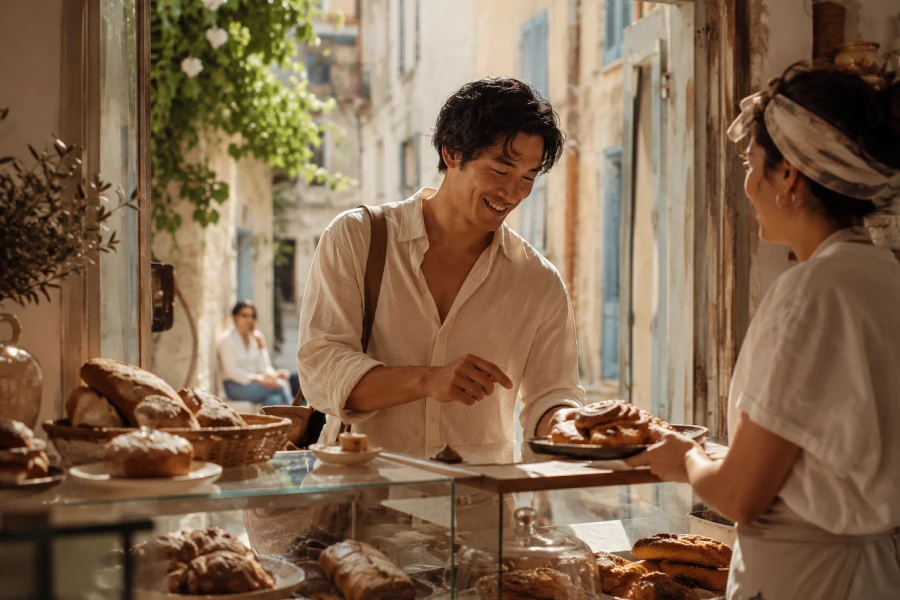
Daily rituals often offer the clearest window into a place. Notice how people order coffee, pause for lunch, or choose a snack between errands. These routines make a city feel human rather than decorative. Practicing responsible food exploration means taking part without treating ordinary life as a performance for visitors. Learn a simple phrase before ordering and use it kindly. Respect queues, table customs, and the pace of service. Avoid rushing a server because you are eager to move onward. When you give a meal enough time, you notice more of its social texture. A bakery stop can become a quiet lesson in morning habits. A shared table can become a reminder that food often brings people together without fanfare.
Travelers often expect every neighborhood to entertain them immediately. In reality, some places reveal their best food slowly and at specific times. A quiet street at noon may become lively after work. An empty café may be exactly where residents gather early each morning. Let the neighborhood show you when it is ready. This can mean returning later rather than forcing a choice because you have time. It can also mean eating somewhere simple before searching for a more memorable dinner. Patience keeps you from treating every street as a challenge to solve. It gives local businesses space to operate on their own terms. The slower you move, the more clearly you see what feels routine. That routine is often where the real character lives.
You do not need advanced language skills or a detailed food vocabulary to have meaningful meals. A genuine interest and a few respectful questions usually matter more. Pointing, smiling, and asking for a popular choice can work surprisingly well. Avoid acting disappointed when a dish differs from what you expected. Regional food traditions are not required to match your preferences exactly. Let unfamiliar flavors be part of the experience rather than a test. You can enjoy comfort foods while still expanding your range. A sensible traveler balances adventure with personal boundaries. That approach keeps food discovery enjoyable instead of exhausting. Confidence grows when you allow yourself to learn one meal at a time.
The habits you develop on one trip make future food decisions easier. You begin to notice neighborhood clues more quickly and ask better questions naturally. Every destination will still feel different, which keeps the process interesting. Remember what helped you feel comfortable during previous meals. Maybe it was arriving early, choosing a busy lunch spot, or talking with a vendor. Those patterns become useful tools rather than rigid rules. Share your discoveries with friends in a way that honors the people behind them. Recommend a place because it felt generous, not because it seemed hidden. Keep your memories specific enough to remain meaningful. Then let the next destination surprise you in an entirely new way. That is how food travel stays personal rather than repetitive.




Leave a comment