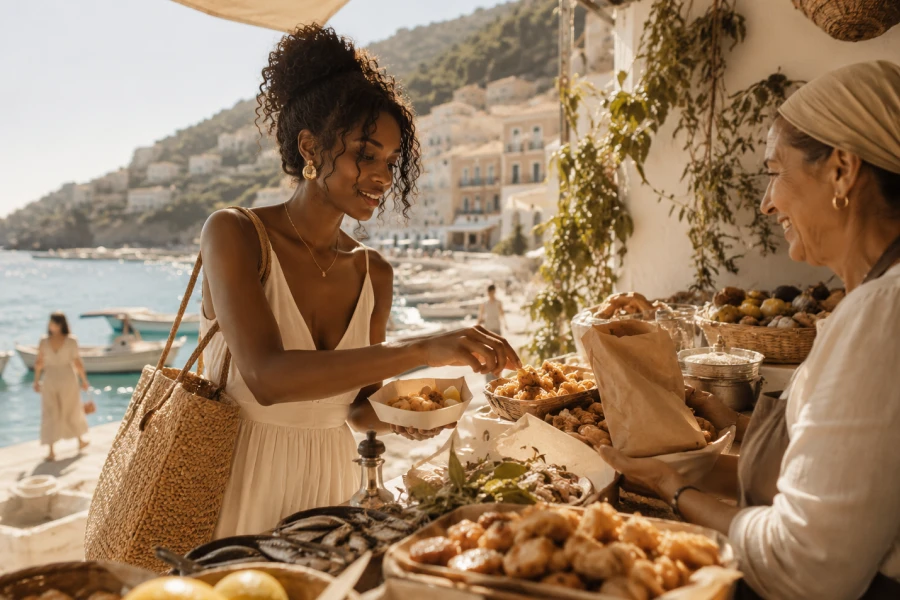
Travel memories often begin with a meal that felt unplanned and unmistakably of its place. Authentic food experiences abroad give a destination texture beyond landmarks and polished hotel breakfasts. They ask travelers to slow down before choosing somewhere to eat. That pause changes what becomes visible on a neighborhood street. A busy lunch counter can reveal rhythms no reservation platform captures. So can a bakery line, a family table, or a fruit seller arranging produce. The goal is not to prove bravery through unfamiliar dishes. It is to pay closer attention, then respond with respect. Meals become more meaningful when curiosity replaces the pressure to find perfection. The result is a trip that feels personally connected rather than merely photographed.
Great meals rarely announce themselves with dramatic entrances or glossy marketing. Instead, they often sit inside ordinary routines that locals repeat every week. Begin with local food research before you arrive, but leave room for the street to revise your plan. Look for specialties that belong to the region rather than dishes designed for every visitor. Notice which places fill gradually before lunchtime and remain busy after. Watch where workers, students, and older residents choose to gather. These patterns rarely guarantee perfection, yet they offer useful clues. A simple lunch chosen with patience can reveal more than an expensive dinner selected from a ranking. By observing the setting first, you make each choice feel less random. That awareness creates a stronger connection between the food and the place serving it.
Authenticity does not always mean obscure ingredients or a dramatic story behind the menu. Sometimes it means a familiar dish prepared with local habits and neighborhood expectations. Pay attention to portion sizes, table rhythms, and the way people order. Small details can become authentic restaurant signals when you learn how to read them. A handwritten board, a short menu, or a line moving with confidence may matter. So may the quiet fact that nobody is taking photos. You do not need to judge every restaurant against a romantic ideal. Instead, ask whether the meal feels rooted in its surroundings. That question leaves space for modern cafés, busy canteens, and modest stalls. It also keeps you from chasing a version of local life made only for visitors.
A respectful question can open more doors than a detailed online search. Ask a host what they order when they want something comforting. Speak with a market vendor about the produce that is best this week. Let local recommendation habits guide your choices without treating anyone as a personal concierge. Keep your questions clear, warm, and easy to answer. People often respond better when they understand your interests. Mention whether you love pastries, regional seafood, strong coffee, or vegetable dishes. Then listen without demanding a secret address. A useful suggestion may be a restaurant, but it may also be a time of day or a market section. Those smaller insights often become the moments you remember longest.
Markets create an easy starting point when a city feels unfamiliar. They show what is in season, what people carry home, and what ingredients matter locally. Walk slowly enough to notice colors, scents, and conversations around you. Choose one vendor interaction rather than trying to taste everything at once. A small purchase can make the experience feel more personal and less performative. Nearby stalls may reveal snacks, drinks, or prepared dishes you would have missed. Morning markets often feel different from evening food streets, so timing matters. Return later if an area seems rushed or crowded during your first visit. Give yourself permission to eat simply when the setting feels right. A memorable food day does not need to be packed from breakfast through midnight.
Too much scheduling can turn a food-focused trip into a race against reservations. Leave several meals open for discoveries that happen naturally during the day. A delayed train, sudden rainstorm, or unexpected neighborhood walk can change your plans for the better. Keep one or two ideas nearby, then follow the moment when it feels promising. This approach also reduces disappointment when a famous place is closed or overcrowded. Local routines shift during holidays, weather changes, and family celebrations. Flexibility helps you notice those shifts instead of fighting them. You can still plan thoughtfully while allowing the day to move organically. The best choice may be a warm bowl of soup beside your hotel. It may also be a snack shared on a park bench between museums.
Food memories become more useful when you record a few details before they blur. Write down the dish, neighborhood, mood, and one thing that surprised you. Include the sounds around the table or the scent of the street outside. These notes help you remember more than whether the meal was good. They preserve the atmosphere that made it meaningful. Photos can support the story, although they should not replace your full attention. Later, you may notice patterns in what you enjoyed across several destinations. Perhaps you loved early market breakfasts or small family-run lunch spots. Those patterns can shape future trips with more confidence. Over time, your travel meals become a personal map of taste, place, and connection.



Leave a comment