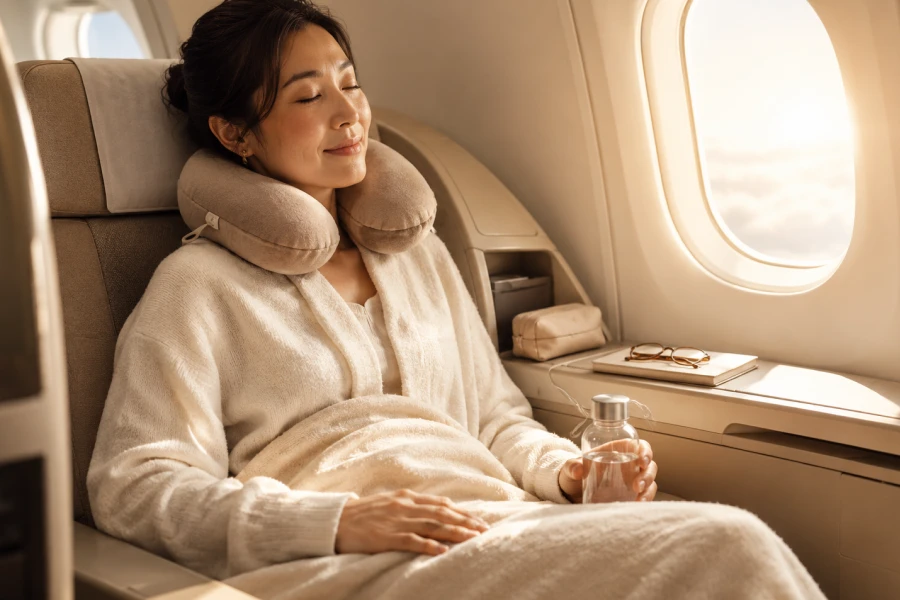
Long haul flight comfort planning is not about creating a perfect airborne retreat. It is about making a demanding travel day feel more manageable from beginning to end. Small choices can protect your mood, energy, and body before you even board. The right layers, snacks, and routines reduce the friction of a long journey. Comfort also affects how you feel when you finally reach your destination. A difficult flight can turn the first day into a blur. A better-prepared flight gives you more patience for arrival lines and unfamiliar streets. You do not need expensive upgrades to build that advantage. You need a few sensible tools and realistic expectations. The goal is to arrive ready to begin rather than desperate to recover.
Comfort begins with the choices you make before leaving for the airport. Prepare carry-on essentials that help you handle delays, dry cabin air, and long stretches of sitting. Think in categories rather than trying to pack every possible item. Bring what supports rest, hydration, warmth, and basic organization. A spare layer can matter more than an extra outfit. Easy snacks can save you when meal timing changes. Keep chargers, headphones, and personal care items within reach. A thoughtful carry-on reduces the need to search through bags during the flight. It also gives you a sense of control when the journey feels long. Comfort is easier when the things you need are easy to find.
It is tempting to overpack for a long flight because every possible discomfort feels important. In practice, too many items can create clutter and make your seat feel smaller. Choose a few objects that serve more than one purpose. A soft layer can work as warmth, a pillow substitute, or a privacy barrier. A refillable bottle can support hydration before and after security. Keep personal items contained in one small pouch. This makes it easier to settle quickly after boarding. You will also have less to manage during connections. Comfort often comes from simplicity rather than excess. The fewer decisions you must make in your seat, the easier it is to rest.
A long-haul comfort routine works best when it is easy to repeat. Choose a sequence that signals to your body that the travel day has begun. You might drink water after boarding, organize your seat pocket, and put on a warm layer. Later, you can stretch gently, adjust your screen time, and prepare for rest. These actions do not need to be elaborate. Their purpose is to keep you from feeling disoriented as hours pass. A steady routine can make the cabin environment feel less disruptive. It also helps you notice when you need food, rest, or movement. The more familiar the rhythm feels, the less draining the flight becomes.
Long flights often feel harder when travelers expect to sleep perfectly, work intensely, and arrive fully refreshed. A better goal is a flexible rhythm. Alternate between resting, watching something light, eating, and moving when possible. Let your energy shift rather than fighting it. The cabin environment is not ideal, so your expectations should stay realistic. You may sleep in short stretches or simply rest without sleeping deeply. Both can still help. The point is to avoid spending hours frustrated by what the flight cannot provide. A gentle routine supports you more than a demanding plan. When you release the pressure to optimize every moment, the journey becomes easier to tolerate.
How you care for yourself in the air shapes your first hours on the ground. Use in-flight wellness habits to maintain basic comfort rather than aiming for perfection. Drink water regularly and move when the opportunity feels right. Choose meals that leave you feeling steady rather than overly full. Take breaks from screens when your eyes feel tired. Adjust your watch or phone to the destination time when it helps your mindset. Small actions can soften the impact of jet lag and travel fatigue. They also help you feel more prepared for immigration, transport, and hotel check-in. Your arrival will still be tiring, but it does not need to feel chaotic. A more comfortable flight creates a more usable first day.
Every traveler has different needs, so avoid copying someone else’s routine exactly. Some people sleep easily in transit, while others need quiet activities and frequent movement. Pay attention to what has helped you on previous trips. Maybe a simple snack, familiar playlist, or extra sweater makes the biggest difference. Build around those personal preferences. This keeps your preparation practical instead of aspirational. You do not need a perfect collection of travel products to feel better in the air. You need a plan that respects your body and your habits. When comfort feels personal, it becomes easier to maintain. That makes the journey feel like part of the trip rather than an obstacle before it.



Leave a comment